


It is no longer a secret that Portugal produces many excellent wines. Alongside the more common wines that you find in the supermarket, there are more and more wines from small, innovative producers that are only available in wine shops (garrafeiras) and good restaurants. One of the particularities of the Portuguese winescape are wines made from decade old field blends (Vinhas Velhas) which combine up to 30 or 40 different grape varieties in one small field. While in other countries, these field blends have mostly been replaced by single-varietal vineyards, Portugal still maintains a lot of its traditional multi-varietal small vineyards which are now being rediscovered by innovative new winemakers. If you would like to taste something different, look out for the Vinhas Velhas by winemakers like Cabeças do Reguengo or Susana Estebán.
In the following, we present some of the many excellent wines we’ve tasted so far. We start with a list of our favorite winemakers. Then we take a look at wines that are relatively easy to find in supermarkets and grocery stores. Then come wines that are hard to find, but all the more worth searching for. We also recommend some sparkling wines and are just beginning to explore the emerging world of natural wines.
As an expression of our wine enthusiasm, you will find high-quality wine glasses for both white and red wine from the Riedel Degustazione series at Casas da Serra Tavira. Wine cooler sleeves from the fantastic down-to-earth Adega de Borba winery will help you keep your wine fresh in summer. And a bottle opener will also be there, in case you didn’t bring your own favourite one.
Winemakers we highly recommend
Home of the best Portuguese wines, the wine regions of Alentejo, Douro, Dão, and Bairrada each boast their own unique charm and natural allure. In the Douro region, steep vineyards hug the Douro River, producing rich wines in the region’s sunny climate. In the Alentejo, vast plains with cork oak trees provide a backdrop for wines known for their bold flavors and smooth textures. In Dão, hills and streams create a cool climate, ideal for elegant wines with a balanced acidity. In Bairrada, near the Atlantic Ocean, vineyards benefit from a maritime influence, resulting in lively wines with crisp acidity, notably from the Baga grape. Finally, Lisbon, Península de Setúbal, the Algarve and others are newer to the group of wine regions and many of their smaller and more ambitious wineries are still relatively unknown.
Following these regions’ wine routes (rota do vinho) is a perfect way to explore their natural beauty, visit historic towns and cities and relax at one of the many old or modern wineries. Below we list some of our favorite winemakers for some of these regions (list is under construction).
Algarve
The Algarve is far better known for its beaches and tourism than for its wines. Unlike the country’s more established wine regions to the north, the Algarve has only a very recent tradition of high-quality winemaking, with just a handful of ambitious producers crafting individual wines that bear the unmistakable handwriting of dedicated winemakers. A few noteworthy projects are beginning to draw attention to the region’s potential, among them the Adega do Convento do Paraíso and Morgado do Quintão.
- Adega do Convento do Paraíso (Silves): Adega do Convento do Paraíso is a small estate located at Quinta de Mata Mouros, on the banks of the River Arade near Silves, producing wines from varieties including Touriga Nacional, Aragonez, Sousão, Cabernet Sauvignon, Alvarinho, and Arinto across the lines Euphoria, where we can recommend the Euphoria Branco and the top-tier Convento do Paraíso wines, which include this wonderful Convento do Paraíso Rosé. Since 2012, the project has operated in partnership with Alentejo’s Herdade da Malhadinha Nova, whose winemaking team took over responsibility for the 12-hectare vineyard, bringing a clear and consistent quality benchmark to what remains one of the most serious winemaking projects in the region.
- Morgado do Quintão (Lagoa): Morgado do Quintão is a historic family estate located between Silves, Monchique, and Lagoa, founded in the early nineteenth century. The property counts among the oldest vineyards in the Algarve, with a focus on indigenous varieties, most notably Negra Mole, and a low-intervention winemaking philosophy developed in collaboration with winemaker Joana Maçanita. The current generation, which took over the estate in 2016, has significantly expanded production while maintaining a clear commitment to expressing the character of the local terroir. Visitors can book a wine tasting at the property, held from Monday to Saturday, pairing the estate’s wines with local cheese and charcuterie — an understated and worthwhile way to engage with one of the more serious winemaking projects in the region.
Alentejo from North to South
- Cabeças do Reguengo (Portalegre): Located in the Serra de São Mamede, near Portalegre, this wine estate focuses on natural field blends from old mixed vines. Equinócio and Quartzo are well-balanced, rich and unique white wines. The different wines of the Respiro line are completely different, some like the Respiro Lagar being close to an orange natural wine while others like the Respiro Seda and the Respiro Cimento resembling the more traditional appoach of Equinócio and Quartzo. Among the reds we highly recommend the Solstício, an elegant organic wine grown on an old eastward facing vineyard located at the outskirts of Reguengo village, in Serra de S. Mamede, at an altitude of 598 meters, on granitic soil, and made from multiple ancient varietals.
- Herdade Papa Leite (Alter do Chão): Their most well-known red wine is called The Devil’s Pact (Pacto do Diabo) and is true heaven. If it weren’t for the burgundy shape bottle, you might be fooled into thinking that you are tasting a Pomerol Grand Cru. Besides the typical Alentejo grape Alicante Bouschet, Pacto do Diabo also takes Merlot and Cabernet Sauvignon. But the secret to Papa Leite’s red wines is in the cellar. Their white wines are also atipical for this part of the Alentejo as they build on grape varieties like Moscatel, Chenin Blanc or Semillon. It’s not our taste, though, so we stick to the fantastic reds (especially Pacto do Diabo as the other reds are in an almost prohibitive price range). You find Herdade Papa Leite’s wines in good garrafeiras and upscale restaurants.
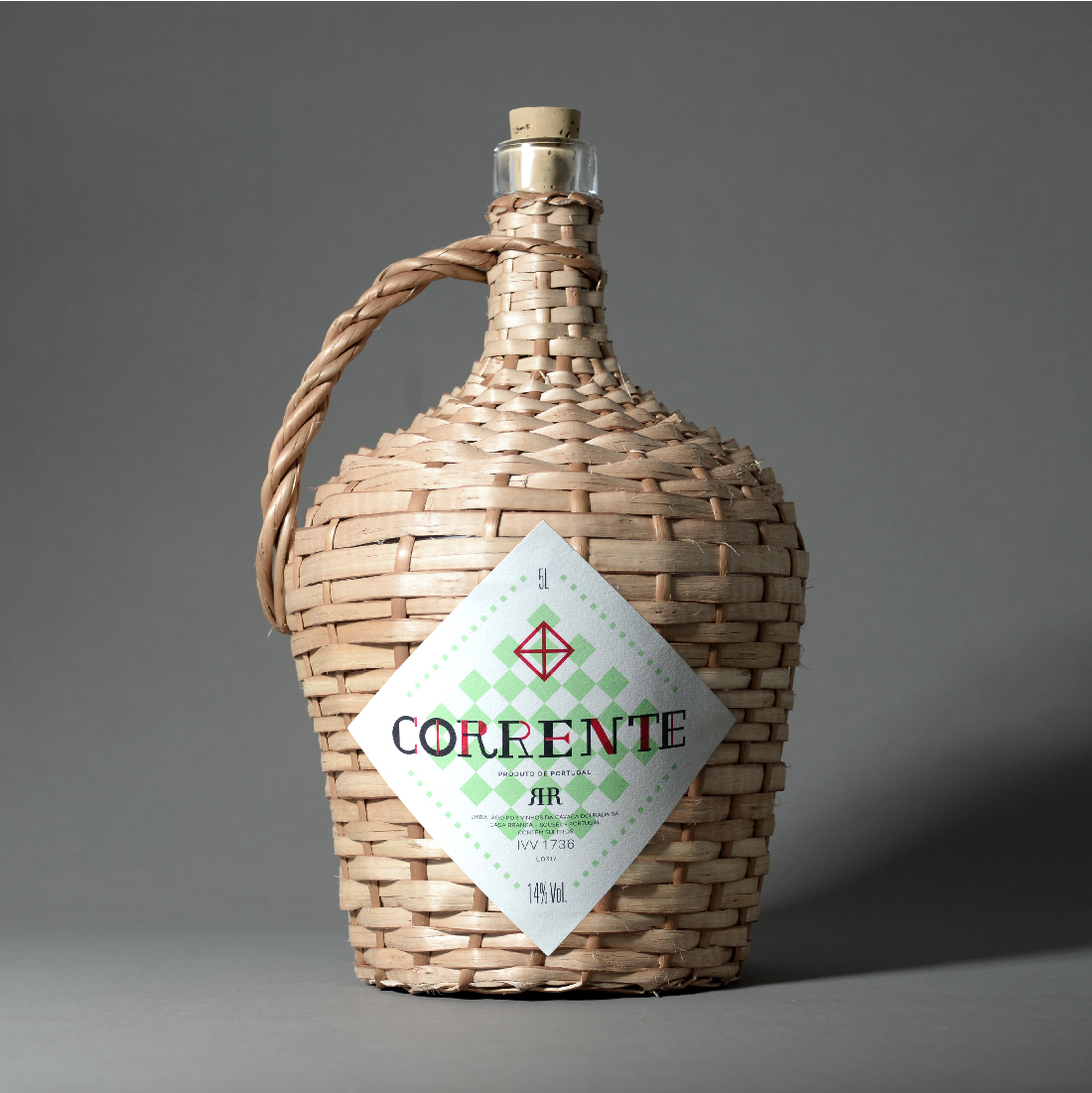
- Herdade do Mouchão (Casa Branca, Sousel): Mouchão is one of the older wineries in the Alentejo. The wine cellar that is still used today was built in 1901, but it wasn’t until 1949 that Mouchão started bottling and selling wine under its own name. Today it makes some of Portugal’s best wines. The red Mouchão is the flagship, made in traditional ways from Alicante Bouschet grapes with a bit of Trinadeira. It’s a powerful, rich and concentrated dark red wine that in its best years will remind you of some of the best Bordeaux or Napa Valley wines. In exceptional years, small amounts of the estate’s Alicante Bouschet grapes are selected for the complex and intense Mouchão Tonel No. 3-4. More recently, Mouchão has released the fantastic white Ponte Mouchão made exclusively from the Verdelho grape and its red counterpart made from Touriga Nacional, Touriga Franca, and small amounts of Syrah. The entry-level Dom Rafael wines didn’t convince us, but if you visit the winery, you can buy the estate’s Vinho Branco Corrente and Vinho Tinto Corrente in a 2-liter raffia bottle and you will be surprised how good these wines are. If you are in Estremoz, you can also find the Mouchão Corrente wines in the Mercearia Figo grocery store (as long as it lasts).
- Quinta do Mouro (Estremoz): Known for the red Quinta do Mouro and their second wine Zagalos, Quinta do Mouro also produces several special, sometimes experimental wines in limited editions. It’s flagship is the Gold Label, but the monovarietals are also worth trying. Go for the reds rather than the white wines. Vinha do Mouro red and white are low-priced wines produced in greater quantities which can be found in many supermarkets.
- Adega do Monte Branco (Estremoz): Luís Louro, son of Quinta do Mouro’s winemaker Miguel Louro, started his own project in 2004. Especially the white wines are fantastic and worth a visit. As a start, we recommend the Alento Reserva, a typical Alentejo blend of Arinto and Antão Vaz. Make sure you also try the twin wines Lou and Ca, which resulted from a challenge between Monte Branco’s two winemakers, Luís LOUro and Inês CApão who each decided to develop their own interpretation of an Alentejo white. While Lou is made entirely of the Arinto grape variety, Ca is a blend of Rabigato, Verdelho, Arinto, Galego Dourado and Esgana Cão, some of which are lesser known autoctone grape varieties. Monte Branco (white and red) is the winery’s flagship. The white is a very clean, elegant and mineral wine for special occasions made of Arinto, Esgana Cão, Rabigato, and Galego Dourado. A bit similar, but less expensive is Vinhas Novas, a limited edition blend of the same four grape varieties, but in a different mix.
- Monte dos Cabaços (Estremoz): Margarida Cabaço, chef of the legendary restaurant São Rosas which closed some years ago, started making her own wines in 2001 together with her husband Joaquim Cabaço. You really need to taste all of their wines, but our favorites are the white Margarida made 100% of Encruzado grapes, the red Margarida with varietals varying between vintages, and the red Monte dos Cabaços Reserva. While the Margarida wines are hard to find in wine stores, you can taste them in some of Estremoz’ fantastic Restaurants like Mercearia do Gadanha, Casa do Gadanha and Larau.
- Tiago Cabaço (Estremoz): Son of Margarida and Joaquim Cabaço of Monte dos Cabaços, Tiago Cabaço started making his own wines in 2004. Today his wines, created together with winemaker and enologist Susana Estebán, range from the affordable, yet very good, .com wines to the more expensive and award-winning white and red blog wines. While we weren’t very enthusiastic about the red blogs, we highly recommend the white blog (both the 2020 and 2021 vintage are very good). In between the .com and the blog you find the red and white Vinhas Velhas. Both are concentrated, full-bodied and strong wines made from over 40 year old vines which are the perfect accompaniment for the traditional cuisine of the Alentejo region. The sparkling wine is very elegant and superior to most of the better known Espumante of the Bairrada region.
- Herdade da Maroteira (Serra d’Ossa): Their Cem Reis Syrah is iconic and laid the foundations for Herdade da Maroteira’s fame. Mil Reis Syrah is made only in exceptional years. Dez Tostões is a more typical blend of Alentejo grapes while Dez Tostões Grande Reserva, made 100% of Alicante Bouschet, is also worth a try. The white Cem Reis Viognier is full-bodied with a great balance of ripe fruit and acidity. All their wines are strong in alcohol, with Cem Reis Syrah normally reaching 16% ABV.
- Cartuxa (Évora): Best known for the famous red Pêra Manca with prices starting at 350€ per bottle, Cartuxa offers a wide range of red, white and rosé wines. Our favorite is the white Cartuxa which combines perfectly with grilled fish and seafood and which can be found in wines stores and supermarkets alike. Similar, but produced in smaller quantities is the white Foral de Évora which is perfect for an extended lunch in a relaxed beach restaurant.
- Herdade da Lisboa (Vidigueira): The Paço dos Infantes Antão Vaz and the Paço dos Infantes Reserva are among our favorite white wines. The white Paço dos Infantes Verdelho is elegant and well-balanced. If you are looking for a dark and full-bodied red, then try the Paço dos Infantes Touriga Nacional, an excellent representative of this most iconic Portuguese grape varietal.
- Herdade da Malhadinha Nova (Albernoa): Herdade da Malhadinha Nova is a family estate located in Albernôa, in the heart of the Baixo Alentejo, established in 1998 on land that had long lain abandoned. The estate produces a structured range of wines, from the accessible Monte da Peceguina line as an approachable entry point, through to the Malhadinha reds, whites, and rosé, and on to a series of single-varietal wines that represent some of the estate’s most distinctive work. Among the whites, individual releases of Antão Vaz, Roupeiro, Viosinho, and Verdelho each express the particular character of the variety and the Alentejo terroir, produced only in years when conditions permit. The winemaking team’s technical rigour, evident both at home and through partnerships such as Convento do Paraíso in the Algarve, has established Malhadinha Nova as one of the more dependable references in contemporary Portuguese wine.
- Vicentino Wines (São Teotónio): Vicentino Wines is an estate situated just across the border from the Algarve into the Alentejo, near Odeceixe on the Vicentine Coast, cultivating around 60 hectares of vineyards on clay-schist and sandy loam soils with a distinct Atlantic influence. The range is broad, spanning several lines with different characters and ambitions. Those drawn to natural winemaking will find particular interest in the Naked range, which includes an unfiltered white based on Arinto and an unfiltered rosé, both vinified with minimal intervention to preserve the raw character of the fruit and terroir. Among the more conventional releases, the Sauvignon Blanc stands out as one of the estate’s most individual wines, fermented in stainless steel and aged on the lees, where the variety’s characteristic notes of fresh green pepper come through clearly alongside a bracing acidity that reflects the estate’s Atlantic proximity.
- Susana Esteban (Portalegre): Susana Esteban is a Galician-born winemaker who established her own project in the Alentejo in 2011 after years of experience at Quinta do Côtto and Quinta do Crasto in the Douro. Her work is centred on the Serra de São Mamede, in the Portalegre sub-region, where altitude, granite and schist soils, and Atlantic-influenced temperatures produce conditions markedly cooler and fresher than the Alentejo interior. Among her most distinctive wines are low-intervention, natural-style field blend Vinhas Velhas from old, mixed-variety vineyards on these mountain slopes — most notably the Procura Vinhas Velhas and A Centenária — wines with minerality and aromatic complexity that stand apart from the more opulent style typically associated with the region. The Cabriolet, a varietal Touriga Nacional produced only in exceptional years, is a wine of deep floral character and fine structure, closer in spirit to a Dão than to a conventional Alentejo red. Twice recognised as winemaker and producer of the year by Revista de Vinhos, Susana Esteban has become one of the most closely watched and respected figures in Portuguese wine.
- Herdade do Esporão (Redondo): Herdade do Esporão is one of the Alentejo’s larger and better-known estates, situated near Reguengos de Monsaraz, producing a broad range of wines across several price points. Each year, the Esporão Reserva labels feature a painting by a different Portuguese artist, making them recognisable on the shelf and something of a small annual survey of contemporary Portuguese art. The white Reserva, usually a blend of Antão Vaz, Arinto and Roupeiro, is a consistently well-made wine with good structure and freshness. The red Reserva, which normally blends Alicante Bouschet, Aragonez, Syrah, Trincadeira and Cabernet Sauvignon, is a solid and reliable wine, though it can lean towards the heavier, more extracted style typical of warmer Alentejo vintages, and does not always match the precision and balance of the white. At the more accessible end of the range, the Monte Velho wines offer straightforward drinking at a price that is hard to fault, with the red — a blend of Trincadeira, Aragonez, and Castelão — showing more character and regional identity than the white. The monovarietals and the Private Selection red and white are usually very good wines, but the value for money is best with the Reservas. There are other wineries in Portugal that produce better varietal wines, and Esporão was relatively late to jump on this bandwagon. The flagship, Torre do Esporão, is produced only in years of exceptional quality. But compared to Cartuxa’s Pêra Manca, it’s the beautifully crafted wooden box rather than the wine that remains in one’s memory.
Take a look also at the website of the Alentejo wine route with additional wineries.
Dão
- Quinta Dona Sancha (Silgueiros): Here’s one of those winemakers that are not capable of producing bad wines. But lots of excellent ones. The entry-level wine is the very good Dona Sancha white and red. While the Dão region is renowned especially for its white wines and Dona Sancha white is no exception, the red Dona Sancha surprises as a full-bodied and balanced wine not very typical of the Douro region. The Vinha da Avarenta white is dry, elegant and mineral and accompanies anything from Oysters to grilled fish. If you are looking for something special, then try the Quinta Dona Sancha range, especially the white wines. The Encruzado is a fantastic, full-bodied and concentrated wine and arguably one of the best made from this grape variety that is so typical of the Dão region. But if you really want something out of the ordinary, then try the Cerceal Branco which was one of the best white wines we tasted in 2024.
- Quinta de Lemos (Silgueiros): Silgueiros near the city of Viseu is one of the best territories in the Dão region and Quinta de Lemos is one of its young an innovative wine estates. We really enjoyed the 2019 Dona Paulette, a concentrated and flavorful white wine made of 100% Encruzado grapes. The 2012 Dona Santana, a blend of 60% Touriga Nacional, 20% Tinta Roriz, 10% Jaen and 10% Alfrocheiro had a bit too much acidity at the beginning, but got better and better over time.
- Casa de Mouraz by António Lopes Ribeiro (Tondela): If you are looking for organic, natural wines Casa de Mouraz is for you. They produce a wide range of white and red wines in the Dão region. Among our favorites are the red Private Selection, the red Elfa made from an 80 year old field blend with around 30 grape varieties, and the white Encruzado.
Here’s the link to the website of the Dão Wine Route.
Douro
- Mãos & Irmãos (Mesão Frio): Four brothers, Roberto, Ricardo, Rafael and Rudolfo Miranda, in collaboration with enologist Joana Maçanita produce great wines from the Douro region. Our favorites are the Mãos Reserva wines, both red and white, but the Mãos Branco is an elegant and mineral white wine with an excellent value for money. We haven’t tasted the Mãos Signature wines yet, but they look promising.
- Quinta do Vale Meão (Vila Nova de Foz Côa): Quinta do Vale Meão is a historic estate in the eastern Douro, in the Douro Superior, with roots stretching back to the nineteenth century. The estate passed to the Olazabal family, who began producing unfortified table wines here from the late 1990s, quickly establishing the property as one of the most serious addresses in the Douro. The Meandro is a red of genuine complexity and finesse that reflects the house style with admirable precision, and represents exceptional value for what is in the glass. At the top of the range, the Quinta do Vale Meão red is a wine of considerable depth and structure, blending the estate’s best parcels of old-vine Touriga Nacional, Touriga Franca, Tinta Roriz, and other indigenous varieties into a wine that ranks among the most authoritative expressions of the Douro Superior.
- Brites Aguiar (São João da Pesqueira): Casa Brites Aguiar is a family estate situated in the valley of the River Torto, in the Douro, where extreme summer heat and scarce water force the vines to produce very low yields of highly concentrated fruit. The range spans several tiers under the Bafarela label, from a rosé and a Colheita through to Reserva and Grande Reserva, but it is the Bafarela 17 that has drawn the most attention — a wine of 17 degrees alcohol, produced only in years when full ripeness is achieved, combining deep concentration with a freshness that belies its strength. At the top of the range sits the Brites Aguiar itself, a limited edition wine released only in exceptional years and regarded as the estate’s most complex and elegant expression. Together, these two wines have established Casa Brites Aguiar as one of the more distinctive and discussed producers in the Douro.
Compared to the Dão Wine Route, the Port and Douro Wine Route website is anything but intuitive or user-friendly. But once you get there, the beauty of the landscape makes up for the lack of competence of those responsible for the website.
Bairrada
Bairrada is a wine region in central-western Portugal, situated between the Atlantic coast and the city of Coimbra, where the climate is markedly cooler and wetter than in the south. The region’s identity is defined above all by the Baga grape, a thick-skinned, high-acid, high-tannin variety capable of producing wines of considerable longevity and complexity. For much of the twentieth century, Bairrada’s reputation suffered from inconsistent winemaking and a focus on volume production, but a generation of more attentive producers has done much to restore confidence in the region’s potential. Alongside Baga, white wines based on Bical, Maria Gomes, Cerceal, and Arinto show genuine character, and Bairrada is also one of Portugal’s most established regions for traditional-method sparkling wine. At its best, the region produces reds of real distinction — structured, mineral, and age-worthy — that stand apart from the richer, more opulent styles found elsewhere in Portugal.
- Luís Pato (Amoreira da Gândara): Luís Pato is the most prominent figure in Bairrada, a third-generation winemaker based in Amoreira da Gândara whose work since 1980 has been central to the revival of the region and its principal red grape, Baga. Where others abandoned the variety or diluted it through excessive yields, Pato reduced yields drastically, destemmed the grapes, and began aging wines in French oak barriques — practices that were unusual in the region at the time but proved decisive in unlocking Baga’s potential for finesse. Across his 60 hectares of vineyards, divided between clay-limestone and sandy soils, he produces a broad range spanning still, sparkling, and sweet wines. Among the whites, the Vinhas Velhas Branco offers genuine complexity at an accessible price, while the Quinta do Ribeirinho Sercialinho stands out for its elegance and varietal precision. At the top of the range, the Quinta do Ribeirinho Pé Franco is a Baga of exceptional depth and character, produced from ungrafted vines — a rare and costly wine that represents one of the most serious statements the region has to offer. Worth seeking out as well are older vintages of the classic Luís Pato Bairrada Vinho Tinto, which can still be found at reasonable prices in specialist wine stores and garrafeiras, and which demonstrate just how gracefully a well-made Baga can age.
- Filipa Pato & William Wouters (Óis do Bairro, Anadia): Filipa Pato, daughter of Luís Pato, established her own project in Bairrada in 2001 alongside her Belgian husband William Wouters, a sommelier and former chef, farming some 20 hectares divided among 36 plots under certified organic and biodynamic principles. Where her father’s work centred on Baga, Filipa has brought particular attention to the region’s white varieties, crafting wines of precision and mineral character that reflect the distinctive chalky clay soils around the village of Óis do Bairro. The Dinâmico — a blend of Bical and Arinto — is an accessible and lively white of real quality, offering a vivid expression of the Atlantic-influenced terroir at a modest price. The Nossa Calcário, a single-parcel 100% Bical from old limestone-soil vineyards, is a more serious proposition — structured, saline, and age-worthy, and one of the most convincing arguments for Bairrada’s potential as a region for great white wine.
You’ll find much more information on the website of the Bairrada Wine Route.
Great wines you’ll find in a supermarket
White
- Esporão Reserva Branco (Alentejo): The Esporão winery has been producing excellent wines and olive oils since the mid-1980s. More recently they switched to organic farming. This white wine is made of the Antão Vaz, Arinto and Roupeiro varieties – a typical Alentejo blend. It is one of our all-time favorites and a great companion to seafood and grilled fish. Esporão’s premium white, the Private Selection Branco, is excellent, too, but if we had to choose between the two, we’d probably stick with the Reserva.
- Cartuxa Branco (Alentejo): A complex and elegant wine. Our first choice when eating grilled Corvina slices at Restaurante Capelo in Santa Luzia. The Cartuxa winery produces other good wines such as the Foral de Évora. It’s flagship white, the Pêra-Manca Branco, is a bit too heavy and sweet, but the red Pêra-Manca is one of Portugal’s top wines with prices well starting at 350€ per bottle.
- Dona Maria Amantis Branco (Alentejo): In the beautiful town of Estremoz, Júlio Bastos produces a range of good to excellent wines under the name of “Dona Maria“. Amantis, made from the Viognier grape variety, is our favorite white, but the “normal” Dona Maria is also good.
- Poeira Branco (Douro): Douro whites are often very strong and full-bodied wines. Due to the Alvarinho grape, Poeira is fresher with a lot of acidity. It’s little brother, Pó de Poeira, is also good.
- Redoma Branco (Douro): Portuguese white wines are often heavy and rich in alcohol. With “only” 12%, this Redoma is relatively light and elegant, but nevertheless complex and well-structured. A great companion to fresh oysters.
- M.O.B. Lote 3 Branco (Dão): M.O.B. is a joint project of the Douro winemakers Jorge Moreira (Quinta do Poeira), Francisco Olazabal (Quinta do Vale Meão) and Jorge Serôdio Borges (Borges winery). It’s not as easy to find as most other wines on this list. If you can get hold of a bottle, try it! It’s our favorite Dão white.
- Vicentino Sauvignon Blanc (Alentejo): Located on the West coast of the Alentejo, the Costa Vicentina, with its colder and more humid climate, the wines are not as heavy and sometimes more elegant than the typical Alentejo wines from Borba or Reguengos. With it’s dominant smell of green peppers, this Sauvignon Blanc is unlike anything you will have tasted outside the German-speaking part of the world. Doesn‘t pair with everything, but should work nicely with grilled sardines. Vicentino produces a range of interesting and not so common wines.
Red
- Quinta da Bacalhôa Cabernet Sauvingnon (Setúbal): This blend of Cabernet Sauvignon and Merlot is the closest you can get to a Bordeaux in Portugal. If you are getting tired of the powerful and fruity wines of the Alentejo, this is your friend.
- Quinta do Mouro Tinto (Alentejo): A lot of excellent Alentejo wines are from Estremoz. Quinta do Mouro by winemaker Miguel Louro has a bit of Cabernet Sauvignon added to the typical Alentejo blend of Aragonez, Alicante Bouschet and Touriga Nacional which makes it special.
- Quinta do Crasto Red (Douro): Fresh and fruity. This is the most affordable of Quinta do Crasto’s wines. Others are equally recommended such as the excellent Quinta do Crasto Reserva Vinhas Velhas and the Crasto Superior Syrah.
- Quinta do Crasto Vinhas Velhas (Douro): This is what Douro red wines must have tasted like decades ago. Deep, concentrated and full-bodied.
- Meandro do Vale Meão (Douro): You can’t go wrong with this wine. A typical Douro red made mainly from the Touriga Nacional, Touriga Franca, and Tinta Roriz grape varieties with smaller amounts of Tinta Amarela, Tinta Barroca, and Tinto Cão. The grapes are trodden by foot in granite lagares and the varieties are vinified separately. The result is a concentrated and well-balanced wine with aromas of dark red fruit and a long finish. Meandro is the smaller sister of Quinta do Vale Meão, a truly powerful red that is one of Portugal’s top wines.
- Vinha Grande Tinto (Douro): If you have read about Portuguese wines, you’ve probably heard of Barca Velha, the first true giant among the country’s wines. Barca Velha is only produced in exceptional years and sells at 500€ upwards. Since 1952 only 20 harvests have been released with the 2011 vintage being the youngest one. But the producer, Casa Ferreirinha, has a range of other, more affordable wines, the most interesting of which being Vinha Grande Tinto.
Inexpensive supermarket wines
Over the past decade or two, Portugal has built a reputation for good and inexpensive wines. More recently, and with a rapidly growing international demand for Portuguese wines, this has started to change. Prices have gone up, even for the most affordable wines, and producers are increasingly focusing on quality rather than quantity. This has led supermarkets like Continente and Pingo Doce to “invent” their own industrial wines whose names and labels imitate the products of traditional vineyards, but which are little more than a disguised bag-in-box wine. Sometimes they even get renowned winegrowers to produce a “special” edition that is exclusively sold in the respective supermarket. These wines use unregulated terms like “Premium”, “Signature” or “Gold Edition” in their names to simulate a higher degree of quality, which they definitely don’t have. Often these wines are advertised as bargains with up to 70 percent discount, but you can be sure that they are never worth more than the biggest discount the supermarkets are willing to give. If you want to discover the diversity of Portugal’s regions and varieties without “liquidating” half of your travel budget, here are a few recommendations.
White
- Casa da Passarella A Descoberta branco (Dão): Dão whites are fresh and usually less fruity than the wines from Alentejo or Douro. A Descoberta by Casa da Passarella is A blend of the typical grapes of the Dão region Encruzado and Malvasia Fina plus some Verdelho.
- Catarina (Setúbal): An affordable, fresh and medium-bodied white by the Bacalhôa winery in Azeitão.
- .com (Alentejo): The Tiago Cabaço winery in Estremoz is famous for its blog wines. .com is their most affordable wine. But in our opinion the most interesting are the wines of the Vinhas Velhas (old vines) series.
- Herdade de São Miguel Colheita Seleccionada Branco (Altentejo): Another reasonable and affordable Alentejo white.
Red
- Alandra (Alentejo): Esporão winery’s most affordable red.
- Esteva Tinto (Douro): From the producers of Barca Velha and Vinha Grande. Esteva is their most accessible wine with a surprisingly characteristic taste. Some love it, others hate it.
- Lavradores de Feitoria Tinto (Douro): Lavradores de Feitoria are a sort of modern cooperative with interesting wines. The Branco and Tinto are their most affordable ones. If you like very dry white wines with a lot of acidity, then try their Três Bagos Sauvignon Blanc.
- Cabriz Biológico Tinto (Dão): An organic red Dão you will find in some supermarkets. The Colheita Selecionada Tinto is similar, although without the eco-label, and easier to find.
Wonderful wines that are hard to find in supermarkets
These wines are worth searching for. You may find them in specialized wine stores (garrafeiras) in Tavira, Vila Real de Santo António and other places throughout the Algarve. Restaurants often have only the more common wines, but there is an increasing number of exceptions such as the Mercearia da Aldeia in Santo Estevão with over 3000 different wines (see our list of restaurants).
White
- Equinócio (Alentejo): Together with Margarida Cabaço’s Margarida Branco, this is our absolute favorite Portuguese white wine. Produced in small quantities by the Cabeças de Reguengos winery in the hills of the Serra de São Mamede near Portalegre. Made of “about 14 different varieties”, this white wine is elegant, deep, well-structured and perfectly balanced. It will be very difficult to find anywhere in the Algarve, but if you decide to stop in Estremoz on your way to or from Casas da Serra Tavira, make sure to try it in Restaurante Larau, Mercearia do Gadanha or at the new restaurant of the Casa do Gadanha Guest House.
- Quartzo (Alentejo): If you like Equinócio, you’ll also enjoy Quartzo. Very similar in taste and structure, this wine is made from a blend of ancient grape varieties which grow at altitudes of 550 and 735 meters. Other equally interesting whites by Cabeças de Reguengos are Respiro Altitude and Respiro Cimento (in recent years it has become fashionable to add the term “cement” to the name of a wine to indicate the rediscovery of concrete tanks, see also the new Herdade dos Grous Concrete).
- Margarida Edição Especial Branco (Alentejo): We love this wine. It’s concentrated and full-bodied. Made 100% from the Encruzado grape, it shows a complex mix of ripe fruit and resin and has an incredibly long finish. There are rumours that the current 2015 vintage could be the last one made by the great Estremoz winemaker Margarida Cabaço. Try it while you can. Just like the equally great Monte dos Cabaços Tinto which may also come to an end a few years from now.
- Monte da Capela Curtimenta Branco (Alentejo): 50% Viognier and 50% Arinto give this wine its complexity and balance. Fresh, but not too much acidity.
- Paço dos Infantes Antão Vaz (Alentejo): There are several good Alentejo whites made with 100% Antão Vaz grapes. Herdade Malhadinha Nova produces one of them. But our favorite so far is this Paço dos Infantes by Herdade de Lisboa in Vidigueira. We had the 2020 vintage. Highly recommended.
- Blog ’20 by Tiago Cabaço (Alentejo, 27€): Arguably the best of several excellent wines produced by Tiago Cabaço together with enologist and Winemaker Susana Esteban. While we were a bit disappointed by the red Blog, this 2020 white Blog surpassed by far our high expectations.
- Quinta dos Carvalhais Encruzado (Dão): Clean and well-structured, with the typical resin-like taste of the Encruzado grape. Out of the many good white Encruzado wines of the Dão region, this is one of the easiest to find.
Red
- Cem Reis Syrah (Alentejo): A BIG wine. 100% Syrah. Alcohol: 16% Vol. Hard to find and restaurant prices are often exorbitant. It’s bigger brother Mil Reis is produced only in exceptional years and at prices of 300€ upwards is more a collector’s item than anything else. Recently, the winery Herdade da Maroteira has launched the very interesting Dez Tostões Grande Reserva Tinto, a very concentrated red made entirely from the Alicante Bouschet grape.
- Coteis Grande Escolha (Alentejo): Dark, complex and concentrated. Imagine drinking a bottle of cherry jam. A very good and not so typical Alentejo red from Moura.
- Quinta do Poço do Lobo Tinto 1991 (Bairrada): You can hardly get any closer to what a good Portuguese wine tasted like before the great modernization of the national wine sector that has occurred over the past 2 or 3 decades. Lisbon’s Garrafeira Nacional is selling several red wines from the Bairrada region that the winery, Quinta do Poço do Lobo, had stored in its cellars for decades and has only now released onto the market. Besides this red made from the Baga, Castelão Nacional and Moreto grape varieties, there is also a Cabernet Sauvignon from 1991 and 1996 that we like even more.
- Pacto do Diabo Tinto (Alentejo): Herdade Papa Leite in the Alentejo municipality of Alter do Chão has been making rare and unusual wines for quite some years now. The 2021 Pacto do Diabo is a perfect mixture of a powerful Alentejo red with the complexity of Bordeaux Grand Cru. It’s not easy to find outside the Alentejo region, but if you see it give it a try. While the 2020 is also good, the 2021 convinces with more nuance and greater complexity. Drink it if you spend a night in Estremoz on your way from Lisbon to Tavira.
- Bafarela Superior 17 Tinto (Douro): The name says it all: this Douro red has an impressive 17% of alcohol by volume. With other “17s”, the alcohol often dominates everything, stifling all other aromas, Bafarela Superior 17 is full-bodied and well balanced and has an intense aroma dominated by dark red fruits. It’s a unique experience. There used to be a Bafarela 18 produced exclusively for the Restaurants Relento and Nunes Real Marisqueira in Lisbon. While the former unfortunately had to close, the latter might still have a bottle or two in the cellar (it’s not on the wine list).
- Herdade da Bombeira Syrah Escolha (Alentejo): Located in Mértola, Herdade da Bombeira is close to the Eastern Algarve. That’s probably why you can frequently find their wines in restaurants and smaller supermarkets in and around Tavira. The simple Herdade da Bombeira Tinto with its bright orange label is perfect if you are looking for a good and affordable wine. The Syrah Escolha is more elegant, full-bodied and with a good balance of fruit and tannins. Drink it when you visit the wonderful Casa de Pasto Fernanda e Campinos in Corte António Martins.
- Altas Quintas Viúva Le Cocq Reserva 2018 (Alentejo): We had the already sold out 2017 Viúva Le Cocq at Mercearia da Aldeia in Santo Estevão (see our list of restaurants). This is not your typical fruity Alentejo wine. Strong tannins give it the necessary structure to accompany game or stews. Perfect for fall or winter.
Natural wines
Portugal has seen a notable increase in small-scale natural wine production over the past decade, with producers working across the country’s main wine regions to craft low-intervention wines from indigenous varieties. In the Lisboa region, Desviso is a small winery in the Óbidos sub-region producing wines from organically farmed vineyards with minimal cellar intervention, while Safado, the project of Emanuel D.R. Frutuoso near Cadaval, vinifies old-vine whites from varieties including Alicante Branco, Seara Nova, and Boal Prior without temperature control, bottling unfiltered with very low sulphite additions and a characteristic mineral salinity. In the Vinho Verde region, Passo de Gigante‘s Moda Velha Pet Nat is a Loureiro-based pet-nat from Vila Verde, bottled mid-fermentation without additives, producing a lightly sparkling wine with fine bubbles and bracing acidity that references older local winemaking traditions. In the Douro, Portugal Boutique Winery‘s Guyot range draws on old-vine schist parcels in the Douro Superior, with the Guyot Branco — a field blend of Códega, Rabigato, and other indigenous whites — and the Guyot Tinto, from a single plot of century-old vines, both fermented with indigenous yeasts and aged in French oak with limited intervention. If you’re feeling adventurous, try the Guyot Funky range, for example the Funky Laranja orange wine.
Other wines
Sparkling wine (Espumante)
Portugal produces a range of traditional-method sparkling wines, known as Espumante, across several regions, with Bairrada historically at the centre of the country’s sparkling wine tradition, where the high-acid Baga grape and the white varieties Bical, Maria Gomes, and Arinto provide a natural foundation for wines with structure and longevity. Beyond Bairrada, the Dão, Douro, and Alentejo regions also produce Espumantes of genuine quality, with producers increasingly demonstrating that the style is not limited to the northwest. Among the sweetness classifications, Bruto and Bruto Natural are generally the most precise and elegant expressions, with low or zero dosage allowing the acidity and character of the base wine to come through clearly. The designation Reserva, however, does not function as it does with still reds — it indicates only that the wine has been held back in the cellar for a number of years before release, and while this can add complexity, it can equally result in wines that have lost their freshness and taken on oxidative notes. Among the producers worth seeking out are Vértice and Kompassus in the Douro, São Domingos and Quinta do Poço do Lobo in Bairrada, and Quinta das Bágeiras, also in Bairrada, whose traditional-method wines from Baga and Bical represent some of the more serious work being done in the region.
- Vértice/Caves Transmontanas (Alijó): Vértice is the sparkling wine label of Caves Transmontanas, a producer based in Alijó in the Douro Superior with a history in traditional-method sparkling wine dating back to the early 1980s. The range is built around indigenous Douro white varieties, and includes the Vértice Cuvée — a multi-vintage Bruto blending Gouveio, Malvasia Fina, Rabigato, Viosinho, and Touriga Franca with strong acidity and some complexity — and the Vértice Gouveio, a vintage Bruto made from 100% Gouveio, aged for several years, which produces a wine of notable structure and acidity, with a drier, more austere profile that rewards those looking for something with character rather than immediate accessibility.
- Tiago Cabaços Espumante Bruto (Alentejo): Dry, very fresh and elegant, almost like a Champagne. Very different from the sparkling wines from the Bairrada Region which are the perfect companion to suckling pig Bairrada style. Tiago Cabaço’s Espumante is best on its own or with fresh oysters.
- Cave São Domingos (Bairrada): Caves São Domingos is a Bairrada producer whose sparkling wines represent some of the most reliable quality at modest prices in the Portuguese market. The São Domingos Extra Reserva Bruto stands out in particular with an exceptional value for money. Made in the traditional method from Bairrada’s indigenous varieties, it offers a structure and acidity that make it a more interesting choice than better-known and often more expensive labels such as Raposeira Bruto or Murganheira Bruto.
- Kompassus (Cantanhede): Kompassus is a Bairrada producer working with organic farming methods, whose sparkling wine range spans several styles. The Kompassus Blanc is an affordable traditional-method Bruto made from white varieties, dry and textured. The Kompassus Blanc de Noirs is produced from Baga — the region’s principal red grape — as a Bruto Natural without dosage addition, with a spicy and mineral character, and a fine acidity.